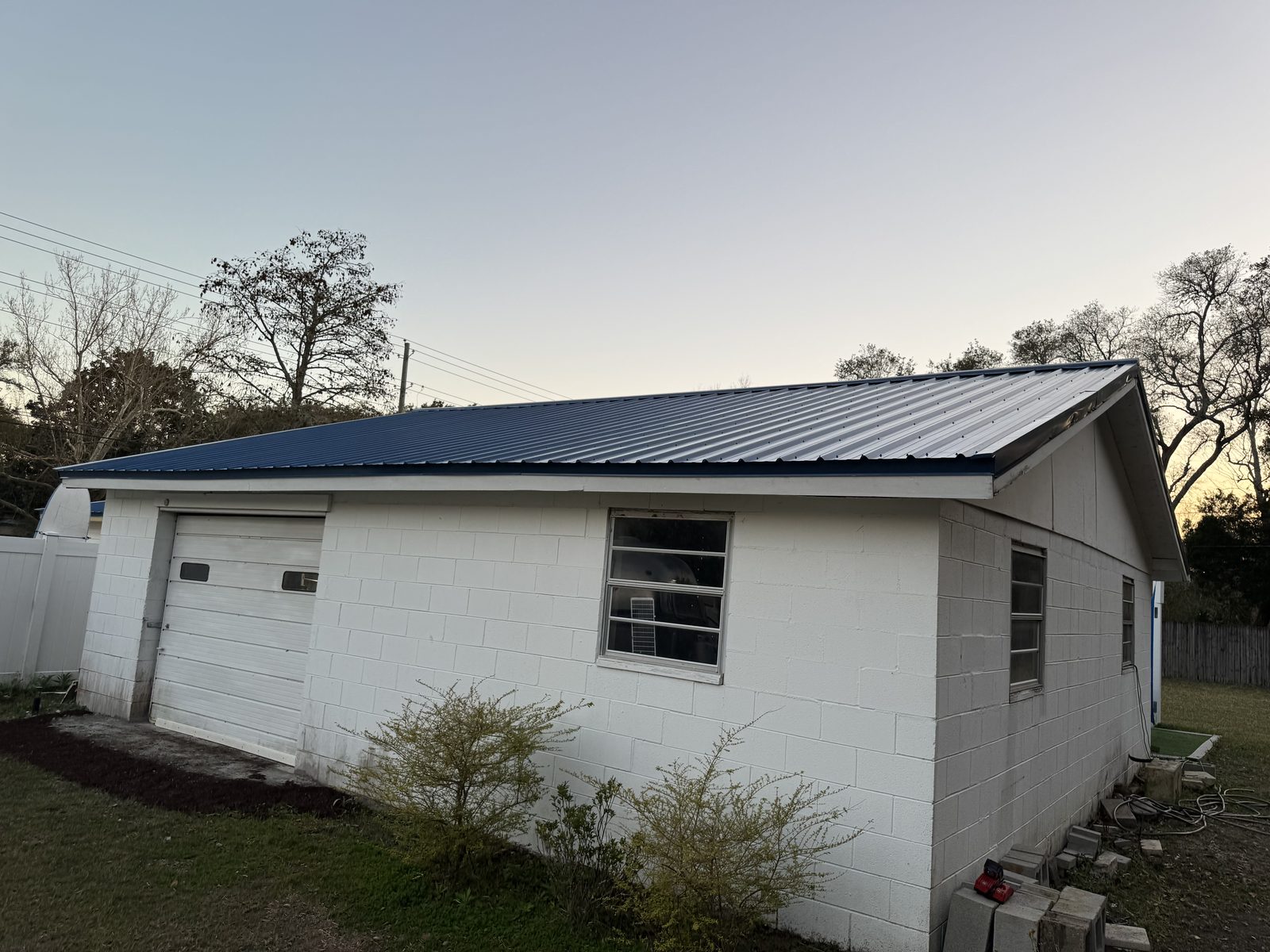
Home with newly installed standing seam metal roof

Metal Roofing for the Gulf Coast

Standing seam and metal panel systems engineered for hurricane winds, salt air and 40+ years of service. The last roof many homeowners ever buy.

Built for Salt Air & 150 mph Winds

Coastal Florida and Alabama are brutal on roofs. Metal answers every challenge the Gulf throws at it:
  • Superior wind uplift resistance vs. shingles
  • 40–60 year service life with minimal maintenance
  • Reflective finishes cut cooling costs in Florida heat
  • Won't rot, crack, or grow algae like asphalt
  • Fire-resistant and insurance-friendly
Get Metal Roofing Quote
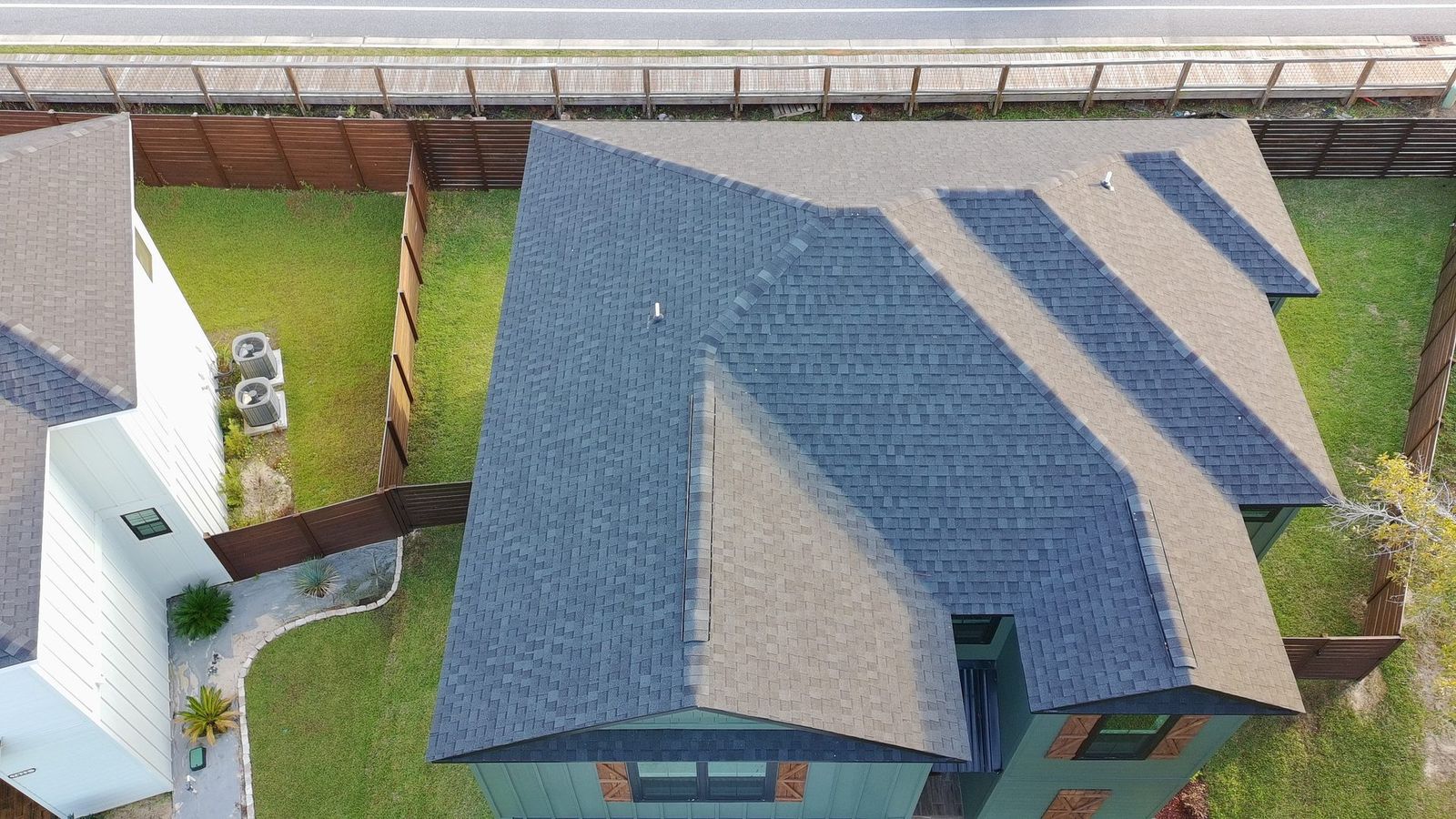
Aerial view of completed roof by Delta Max
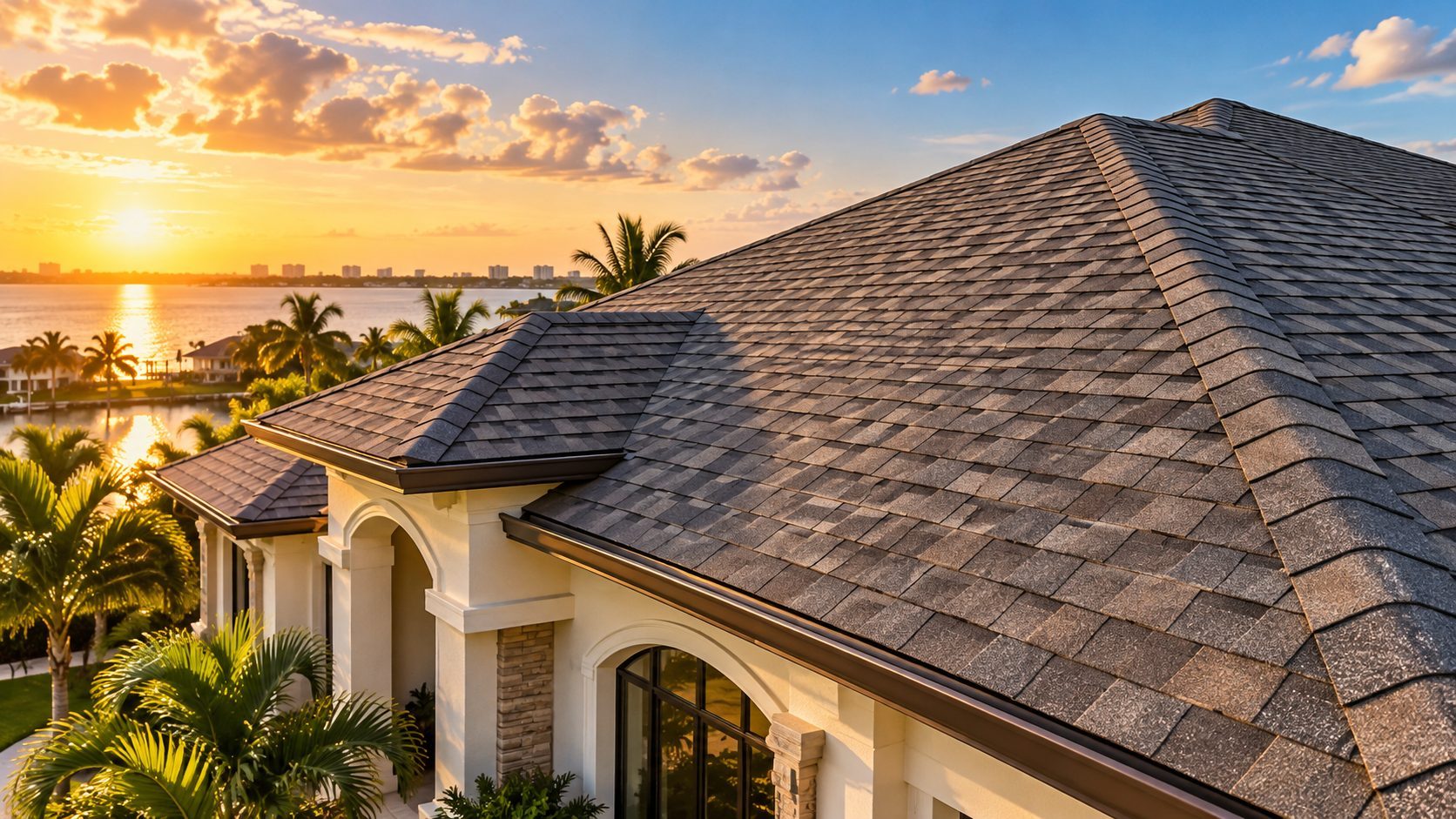
Quality roofing materials at sunset over the coast

Standing Seam & Panel Systems

Standing seam — concealed fasteners, raised interlocking seams, premium look, maximum wind rating. The flagship choice for coastal homes.

Exposed-fastener panels (5V crimp / ribbed) — the proven, budget-friendlier metal option, popular on cottages, barns and rentals across Baldwin and Escambia counties.

Every metal project includes decking inspection, high-temp synthetic underlayment, and color-matched trim, ridge and drip edge.

Discuss Options

Common Questions

In 2026, residential metal roofing in our area typically runs $15,000–$35,000 depending on size, panel profile and whether you choose standing seam or exposed-fastener panels. The 40+ year lifespan often beats two shingle replacements.
Properly installed standing seam metal roofing offers some of the best wind resistance available, with interlocking panels and concealed fasteners. It's a top choice for coastal wind zones.
Not with modern installation. Solid decking and synthetic underlayment dampen sound — most homeowners report no noticeable difference from shingles.
Sometimes, but we generally recommend tear-off on the Gulf Coast: it lets us inspect decking, upgrade underlayment, and meet wind-mitigation requirements properly.

Invest Once. Protect for Decades.

Get a side-by-side quote: metal vs. architectural shingles — with real numbers for your roof.