
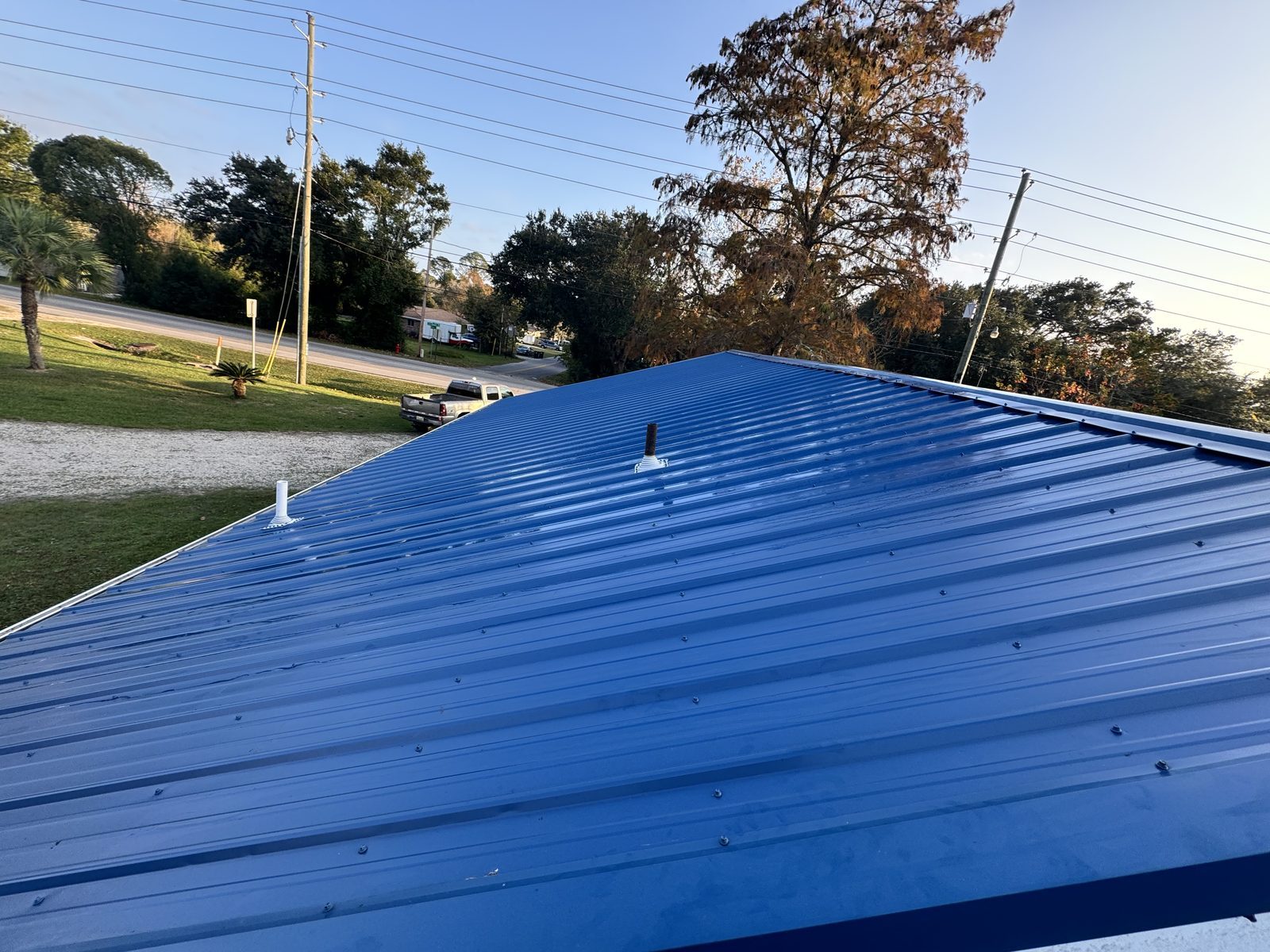
The short answer: hurricane season runs June 1 – November 30, and roof preparation should be finished by late May. The four highest-impact steps: (1) get a professional roof inspection and fix loose shingles and flashing now, (2) photograph your intact roof for your insurance baseline, (3) clean gutters and trim overhanging trees, (4) review your policy's hurricane deductible before you need it. Everything else on this checklist builds on those four.
Why Preparation Beats Repair on the Gulf Coast
Living and working between Pensacola and Mobile means accepting that a major hurricane is a matter of when, not if. After every landfall the same pattern repeats: homes with maintained roofs come through with minor damage, while roofs with pre-existing loose shingles, lifted flashing or soft decking fail first — and a failed roof in a hurricane quickly becomes a flooded interior. Preparation is also an insurance strategy: documented pre-storm condition is the single strongest evidence in a post-storm claim.
The 12-Step Hurricane Roof Checklist
On the Roof
- Schedule a professional inspection (April–May). A licensed roofer checks what you can't see from the ground: seal strips, fastener backing-out, flashing integrity, soft deck spots. Small repairs done now cost hundreds; the same failures in September cost thousands plus an insurance claim.
- Fix loose, curled or missing shingles immediately. One lifted shingle is where hurricane winds get under the system and peel it open.
- Check all flashing and penetrations. Chimney, wall and valley flashing plus pipe boots are the most common leak points. Cracked rubber boots and lifted counter-flashing are quick fixes.
- Seal exposed fasteners on metal roofs. On 5V crimp and corrugated systems, fasteners back out over time. Each one is a future leak point.
- Inspect skylights. Check the seal between frame and roof deck; older skylights can be upgraded to impact-rated units.
- Check attic ventilation and decking from inside. Look for daylight, water stains and sagging between rafters. Ask your roofer about deck re-nailing if your home predates current wind codes.
Around the House
- Clean gutters and downspouts. Hurricane rain rates overwhelm clogged gutters in minutes, forcing water under shingle edges and into fascia.
- Trim trees back from the roof line. Any branch overhanging the roof is a battering ram in 100+ mph winds — and falling limbs are among the most common causes of catastrophic roof damage in Gulf Coast storms.
- Secure or store anything that can fly. Patio furniture, grills and planters become roof-piercing projectiles.
Paperwork & Planning
- Photograph your roof now. Date-stamped photos of your intact roof — all slopes, close-ups of flashing and valleys — are your insurance baseline. Store them in the cloud, not just on your phone.
- Review your insurance policy. Know your hurricane deductible (usually 2% of dwelling coverage in Florida), whether you have replacement cost or actual cash value coverage, and whether your roof's age triggers any conditions. Surprises here are expensive.
- Save your roofer's number before the storm. After landfall, reputable local contractors are booked solid within days while out-of-state storm chasers knock on doors. Establish the relationship now — a free pre-season inspection means you're already a customer when everyone is calling at once.
Considering a Replacement? Timing Matters
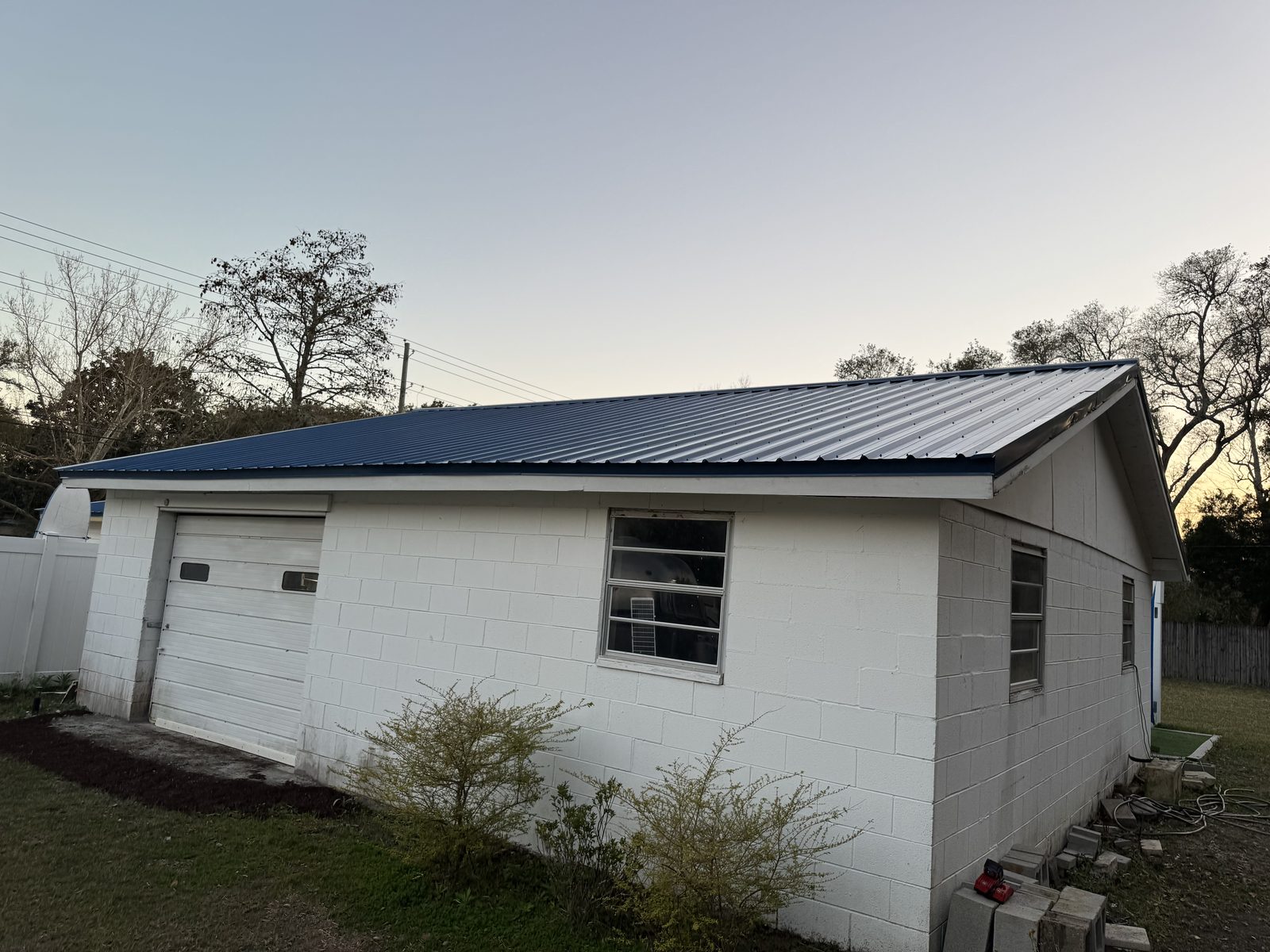
If your roof is near end of life, replacing it before hurricane season is both cheaper and smarter than gambling on surviving another season. A new roof installed to current Florida Building Code — with a peel-and-stick secondary water barrier, enhanced nailing and proper flashing — is a fundamentally more hurricane-resistant system than a 15-year-old roof, and buyers and insurers both know it. Standing seam metal, rated for 140+ mph winds, is the strongest option for coastal exposure.
After the Storm Passes
If a storm does hit: stay off the roof yourself, photograph damage from the ground before touching anything, and call for a documented inspection and emergency tarping. Our storm damage insurance claims guide walks through the exact sequence that protects your claim.
Get an Exact Number for Your Roof
Online ranges are a starting point. A free on-roof inspection with a written, itemized quote takes the guesswork out — no obligation, no pressure.